
Break to Build: The Creative Destruction Every New Beginning Requires

If someone shared this with you, you can subscribe to receive future issues.
I launched my consulting firm Portage & Practice in 2024 to help leaders navigate strategic challenges with field-tested solutions that last. Since then, I’ve worked with organizations across dance, theater, journalism, and conservation. They have different missions, but one common thread: they exist to put joy out into the world through art, nature, information, or beauty. Yet their leaders often operate from scarcity — strapped for time, resources, and the capacity to think beyond survival. And that’s the problem: you can’t build a thriving organization from a scarcity mindset.
One solution? Creative destruction.
The theory of creative destruction was popularized in the 1940s by economist Joseph Schumpeter, who was inspired by the work of Karl Marx. It highlights the evolutionary qualities of capitalist systems, and the importance of dismantling established structures and practices to clear the way for innovation. (Think Netflix killing Blockbuster with mail-order DVDs, then destroying its own DVD business by pivoting to streaming.)
What you choose to stop is as important as what you choose to start.
So what does this theory have to do with the mission-driven world? We don’t have outside market forces making us cut languishing programs. But throughout my career, I’ve learned that you sometimes need to stop an initiative to open up thought space in your organization. Yes, it’s very uncomfortable not replacing something immediately, but that discomfort is where growth happens. When deciding what to stop, don’t just look for “bad” or failing programs. Look for the ones that never seem to work quite right, that no one wants to touch. Maybe mission creep means they don’t offer the value they once did. Or you're constantly reverse engineering success because something’s fundamentally misaligned.
Early in my tenure as General Director of Opera Philadelphia — during the recession — I made a difficult call: we cut a flagship production from the Academy of Music. It was a bold move, but it freed us to launch a chamber series, which drove commissioning and developing exciting smaller-scale work. Over time, that strategic subtraction helped position the organization as a national leader in contemporary opera. Years later, before stepping down, I made a similar choice — streamlining the opera’s signature programming to create space for new leadership to define its own direction. Ending well is also a form of creative destruction. Recently, I worked with a performing arts organization. Its model was built on a certain number of performances, but ticket sales were below expectations and finances were tight. Leaders wanted to keep the breadth of their programming intact, so I suggested they cut back on the number of performance weeks instead. The result? Fuller houses and more enriching audience connections. Theatergoers feel the difference, because a full house generates energy that elevates the entire experience. And the company freed up resources to experiment with new ideas.
How to talk to your team and board
As you begin to identify potential programs to cut, involve your staff in the conversation. Create a space for honest dialogue about gaps between your mission and reality. Keep the conversation organizational, not personal. Look at the data together to find better uses for time and resources — even if you don’t know what those look like yet. Understand that board members are not in your day-to-day, so they may misread change as a loss. Frame the conversation so they understand that you’re not cutting because something didn’t work, you’re recalibrating to capture opportunities to grow and thrive. The organizations that flourish in the next decade may be those that do less strategically and intentionally to create space for what’s next.
What are you ready to stop?
In Practice: One Move to Consider this Month
Try to identify one thing that is not thriving in your organization, then stop doing it to make room for something new.
Monthly Inspirations: Performances & Events Feeding My Thinking
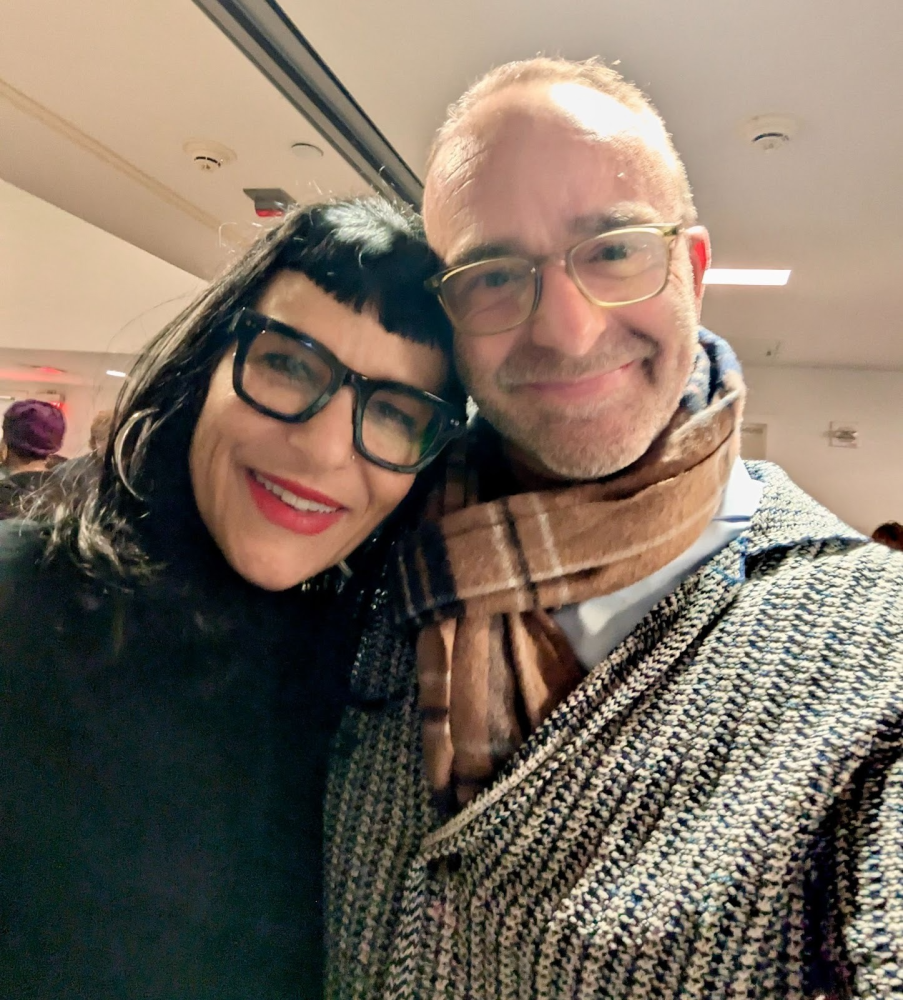
Hildegard at the Prototype Festival
My husband and I kicked off my birthday weekend in New York by attending Beth Morrison Projects’ presentation of this mesmerizing new opera, with great performances and theatrical impact! I loved the material and the cleverness of the writing.
With Beth Morrison of Beth Morrison Projects at Hildegard.
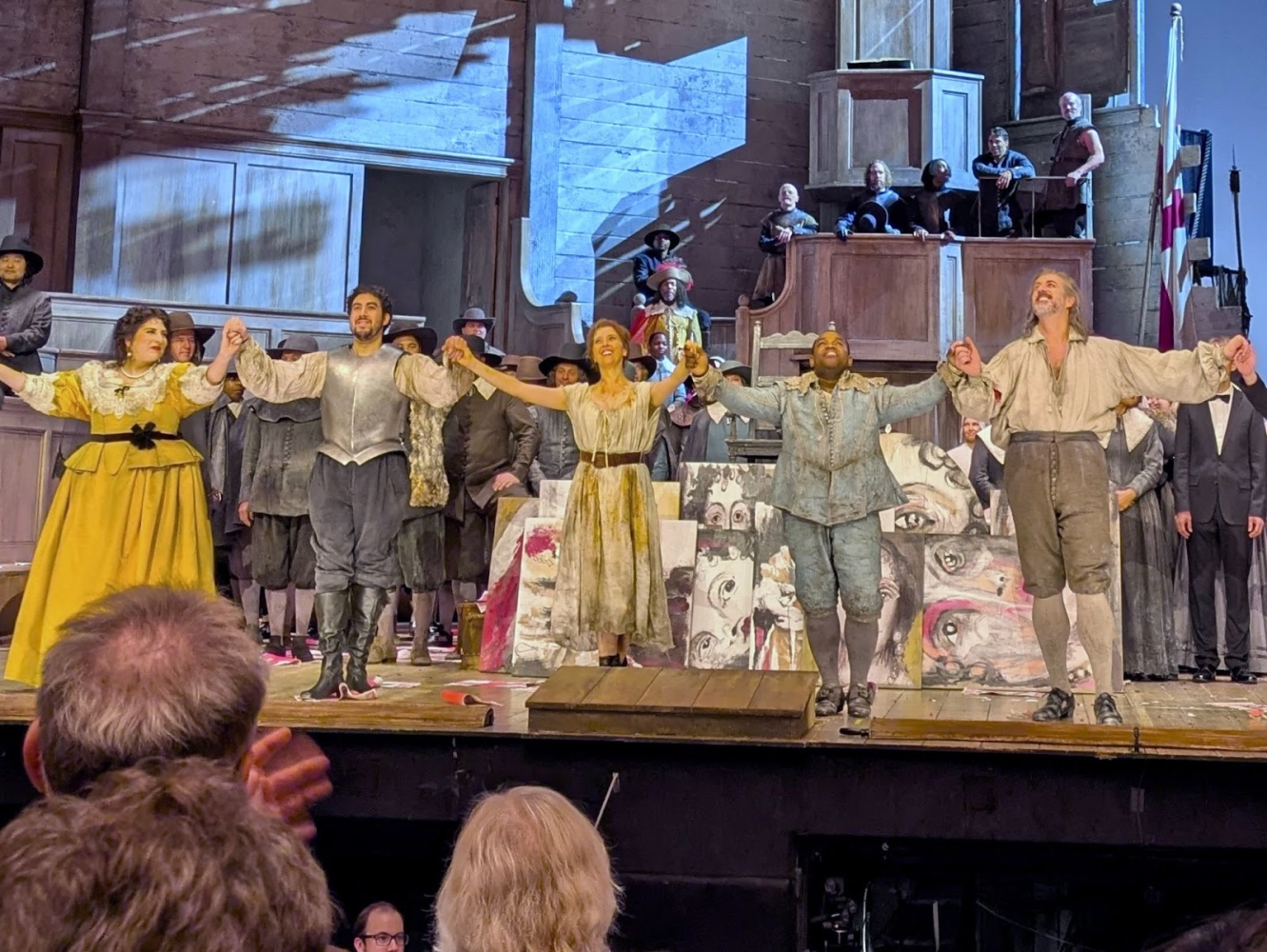
I Puritani at The Met
It was an utter joy to listen to the glorious, virtuosic voices of Larry Brownlee and Lisette Oropesa together — both artists I collaborated with at Opera Philadelphia. Bellini’s opera is like the Olympics of singing. The hair on my neck stands up just thinking about it!
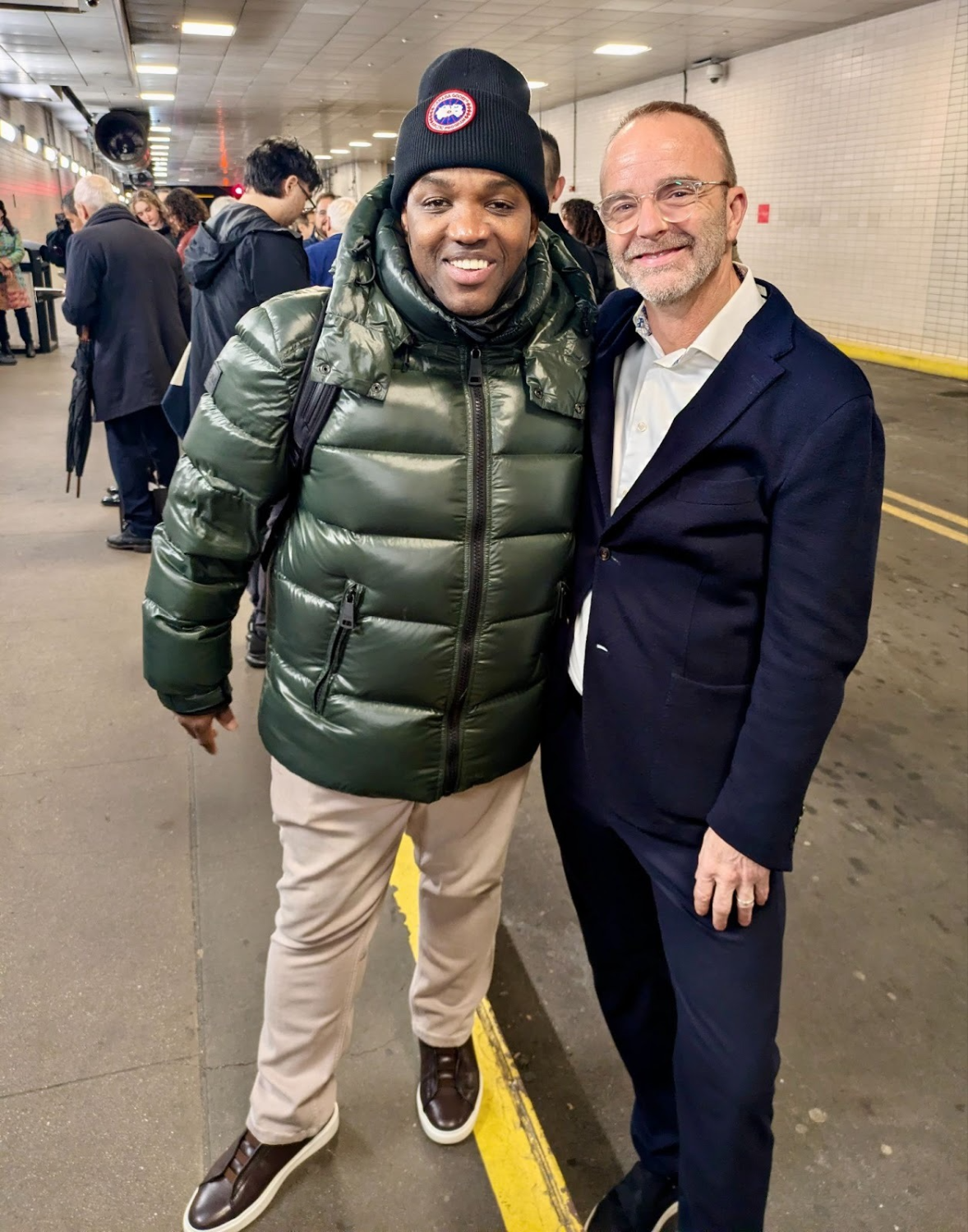
With Larry Brownlee at Stage Door at The Met Opera
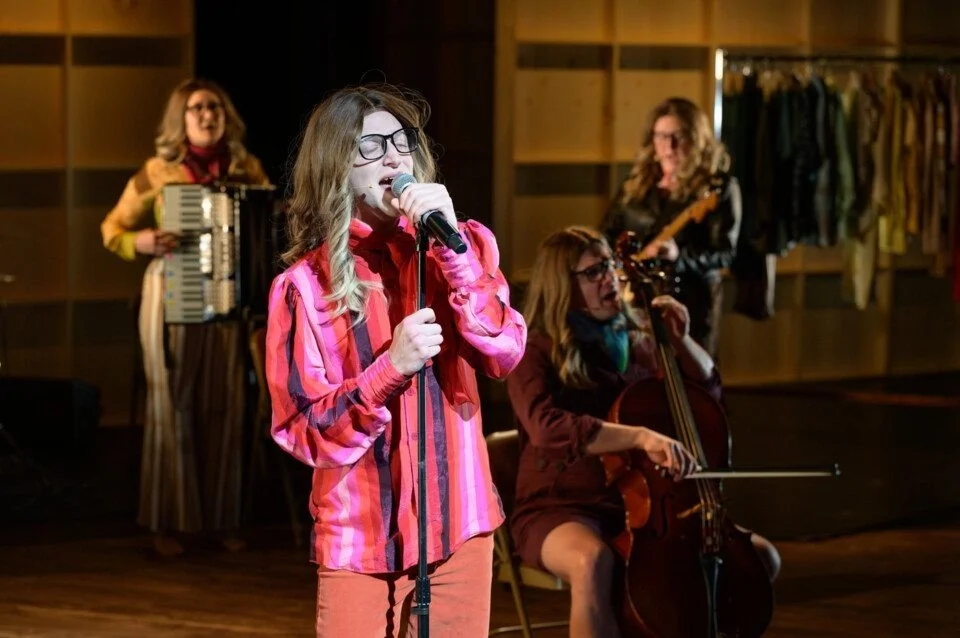
Poor Judge at The Wilma Theater
A Pig Iron Production, this Aimee Mann-inspired show was conceived and developed by Dito van Reigersberg. Very sadly, Dito was unable to perform, but Pax Ressler stepped into the role and made it their own. It was just so fantastic — Pax’s vulnerability in a moment where we’re all feeling vulnerable as humans living in the U.S. felt like exactly the right thing the audience needed to start 2026.
Pax Ressler in Pig Iron's and Wilma Theater's Poor Judge. Photography by Johanna Austin.
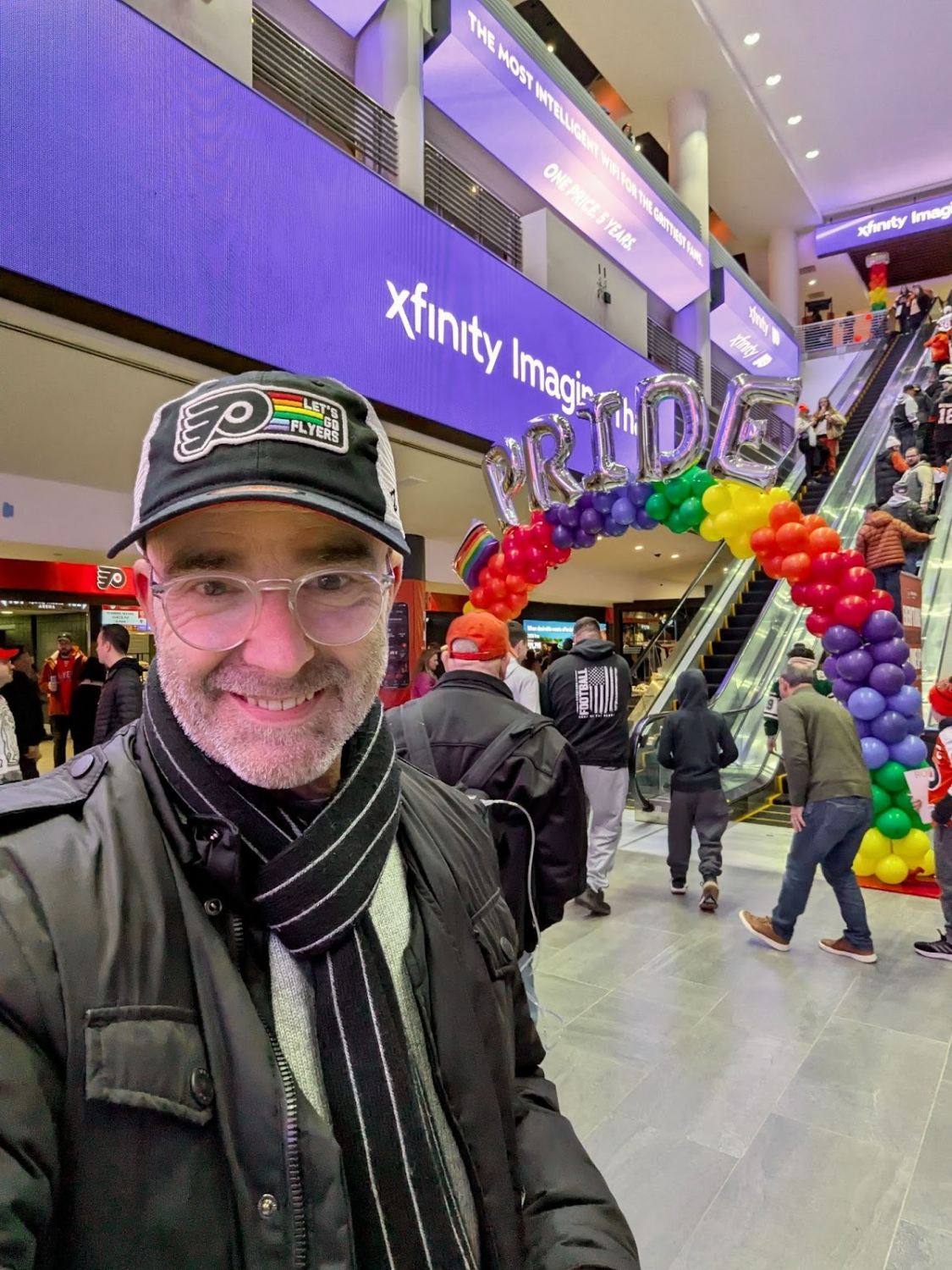
Philadelphia Flyers Pride Game
I’ve been to Pride Games before, but this year was different. Hockey is having its massive Heated Rivalry pop culture moment, which is just amazing to me as a guy who grew up as a figure skater in a small town in northern Ontario. At the same time, the LGBTQ community is under attack in so many ways. Kudos to the Flyers organization for going above and beyond to celebrate inclusivity — it was almost impossible not to walk through a rainbow arch to get to your seat!
If this newsletter was useful, feel free to share it to someone who might enjoy it — or subscribe so you don’t miss the next issue.