
The Power of Creators
What the Creative Process Teaches Mission-Driven Leaders
If someone shared this with you, you can subscribe to receive future issues.
I went to London to observe. I came home inspired.
This spring, I attended workshops for I Dream, a new musical in development that received its UK concert premiere at The Other Palace in London. The piece takes place during the American civil rights era and centers on the relationship between Martin Luther King Jr. and Ralph Abernathy, his close friend and advisor.
The experience reminded me that you don't have to be an artist to be fed by the work. Even though I was in the room as a creative advisor, not a performer, it was just as nourishing as if I had been on stage. I left each session energized — the music stayed with me for days afterward. I was moved more deeply than I expected. You cannot sit a few feet from artists giving voice to Dr. King and Rev. Abernathy without feeling something shift. Most surprising of all, I never felt like a spectator. Watching the work take shape, I felt like part of its creation. And when I returned to the U.S., I noticed the difference in my own work: I was more patient and more present — less reactive to the daily noise, more able to hold myself and my clients to the longer arc of the mission.
In a time when we have to invent the future, creativity isn't a luxury — it's a critical leadership tool. Finding a creative outlet makes you a happier person, a better neighbor, and a more successful professional.
What the Workshops Taught Me
What struck me most about the I Dream workshops was that the team solved hard problems with music and collaboration. I heard zero complaints as they worked difficult passages until they landed, because they were completely focused on the work itself and did not sweat the small stuff.
Trust ran through the whole creative team. Douglas Tappin, the composer, librettist, and lyricist, built a world expansive enough for the artists to live in. Annabel Mutale Reed, the director, gave them just enough guidance that they still had room to find the roles themselves — she handed them a score and trusted them to play it. And Keith Williams, the music director, worked the hardest passages until they sang, without ever draining the joy from the room. Three different roles, one shared discipline: create the space, then trust the people in it.
When you bring people together in a workshop, you are using the same muscle as when you solve an organizational challenge: motivating people, working a problem, and staying on a journey toward something you can't fully see yet. You have to believe in your team and keep your eye on your mission so you don't get sidetracked by minor distractions.
The joy of creating is also a powerful tool in itself. When you're assaulted by barriers and challenges every day, joy is what helps you show up — guiding you and the people around you forward, and even healing divisions. Contrast this with how many nonprofit leaders operate: in survival mode, with no capacity to see beyond the immediate. They rarely give themselves access to the joy that can fuel them.
Another lesson I took home from London was that the work isn’t done until it meets an audience. The I Dream team brought people in to see it — because they wanted to hear their immediate reactions and what stayed with them after the performances. The joy of creative work compounds in community — the effect is exponential when it's shared, not done in isolation. That’s what effective leaders are really about: creating space for others.
Permission to be Expressive
Unfortunately, many nonprofit leaders forget about taking care of themselves. But allowing room for creative experience would be good for them as humans — and would make them better at their missions, too.
What I’m really talking about is the urgent need for leaders to find their expressive selves. If you’ve been lucky enough to find that through creative acts, you know the release it brings. This ability directly correlates with your ability to lead, because successful leaders know how to create and innovate, not just manage. You need to conceive something new, not just keep the lights on.
The artists I found most inspirational are the virtuosic ones. They take you somewhere to live, reach for what seems unimaginable, and are not afraid to be profound. After you've watched artists reach past “good enough,” it's harder to accept “good enough” in your own work — you start asking more of yourself, your team, and your mission.
In Practice: One Move to Consider this Month
Is there a creative experience you’ve been putting off — something that feeds you rather than depletes your energy? Put it on the calendar before the end of summer. It can be anything you have access to: watching a work-in-progress, sitting in on a music workshop, or even cooking a meal or wandering a street fair. Find it now, and you'll head into fall with a little more joy, a little more fire, and a clearer path forward.
Monthly Inspirations: Performances & Events Feeding My Thinking
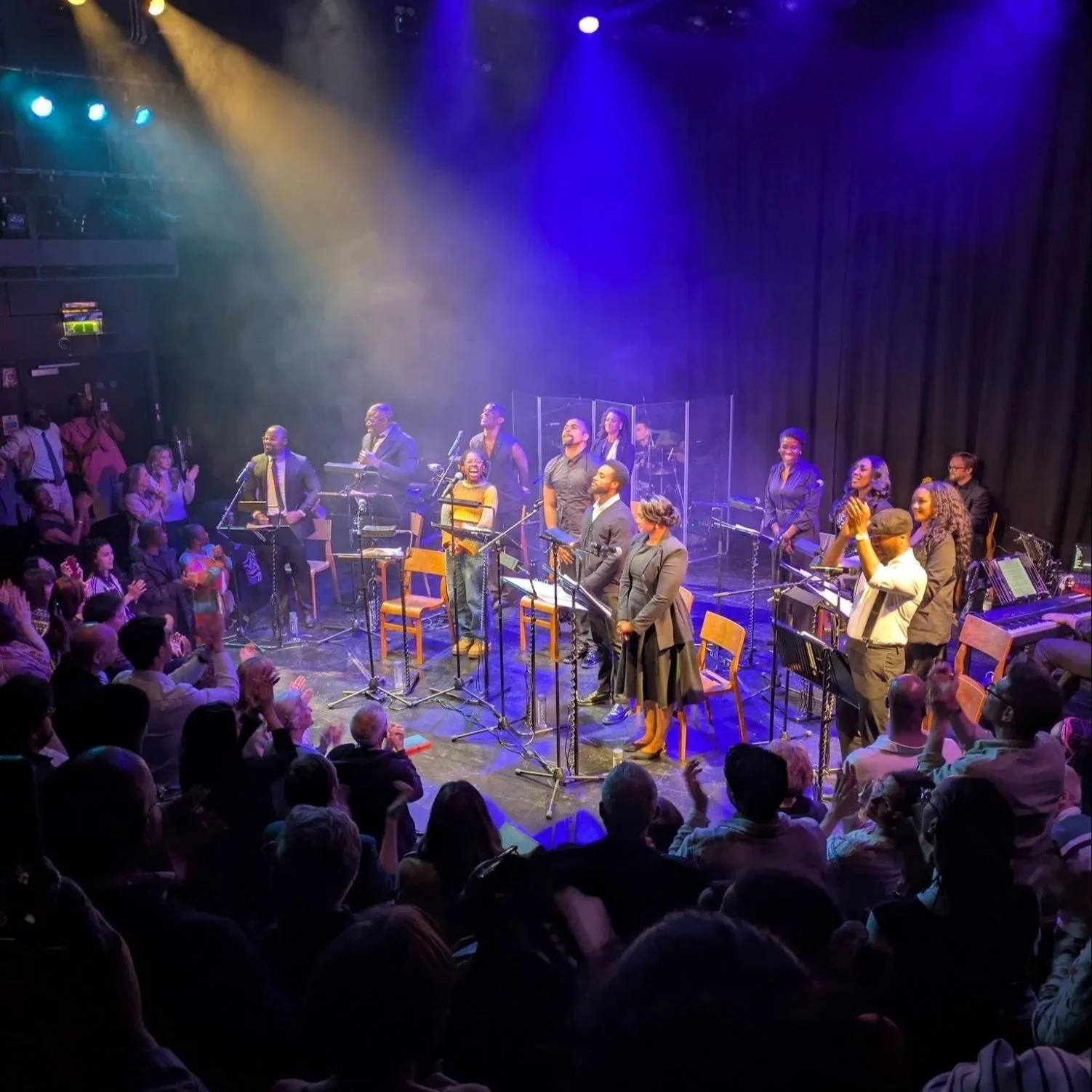
I Dream
A standing ovation for the workshop concert at The Other Palace, London. The work isn’t done until it meets an audience, and this audience answered.
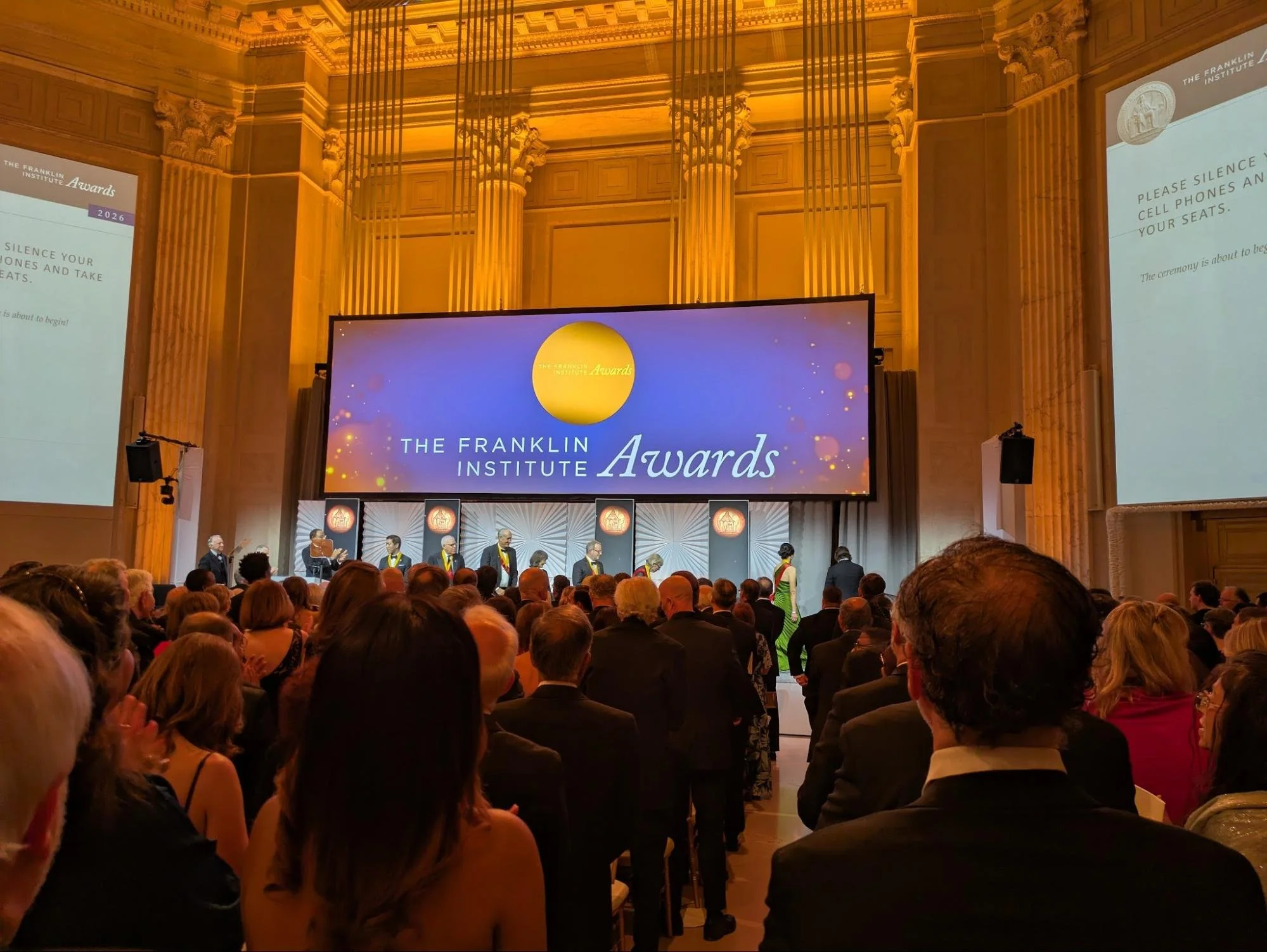
The Franklin Institute Awards
Celebrating inspiringly creative solutions in science. A reminder that creativity drives discovery in every field, not just the arts.
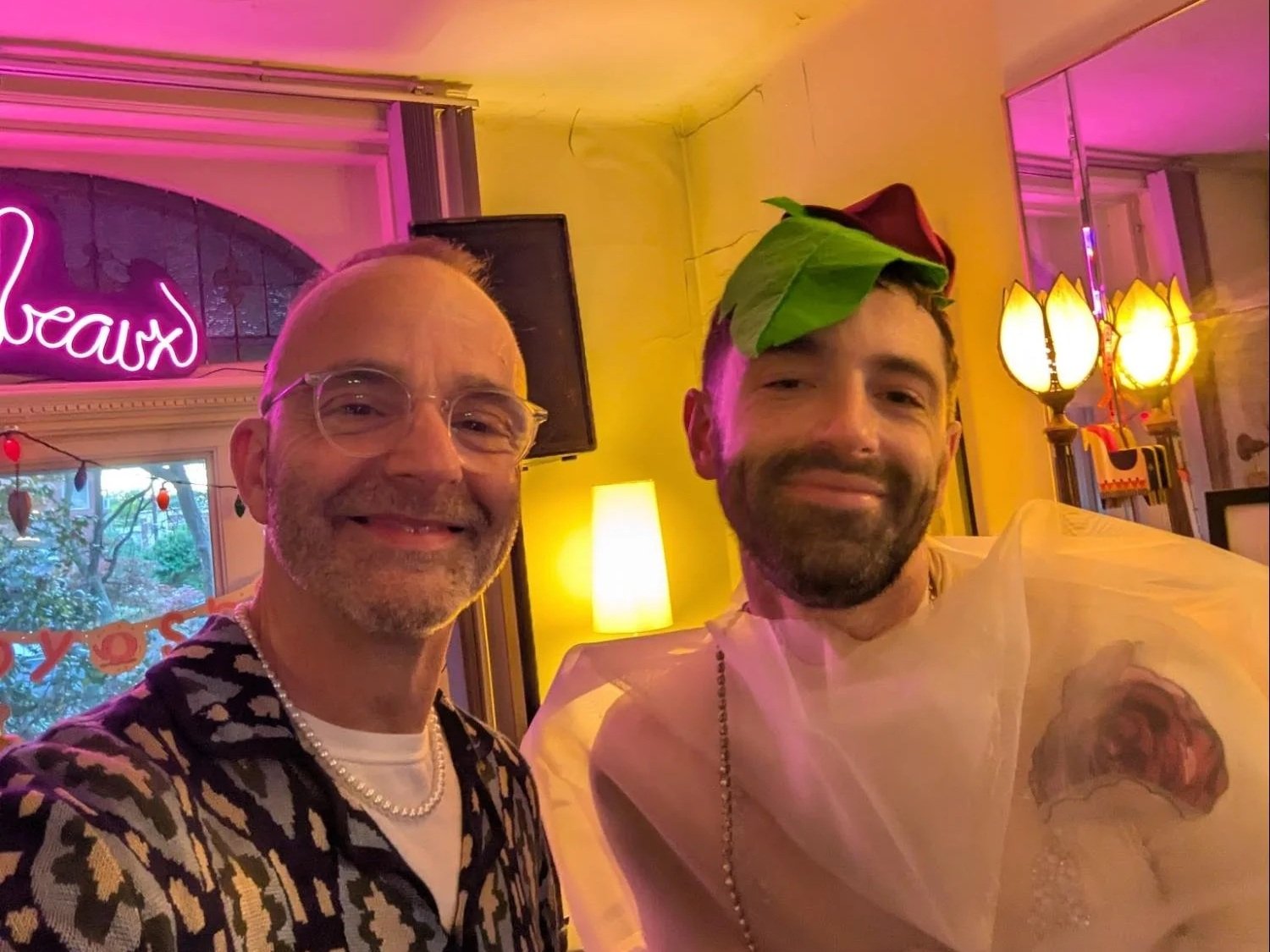
Rose Jarboe
Time spent with the founder and Artistic Director of Bearded Ladies Cabaret, an endless source of creativity and joy.
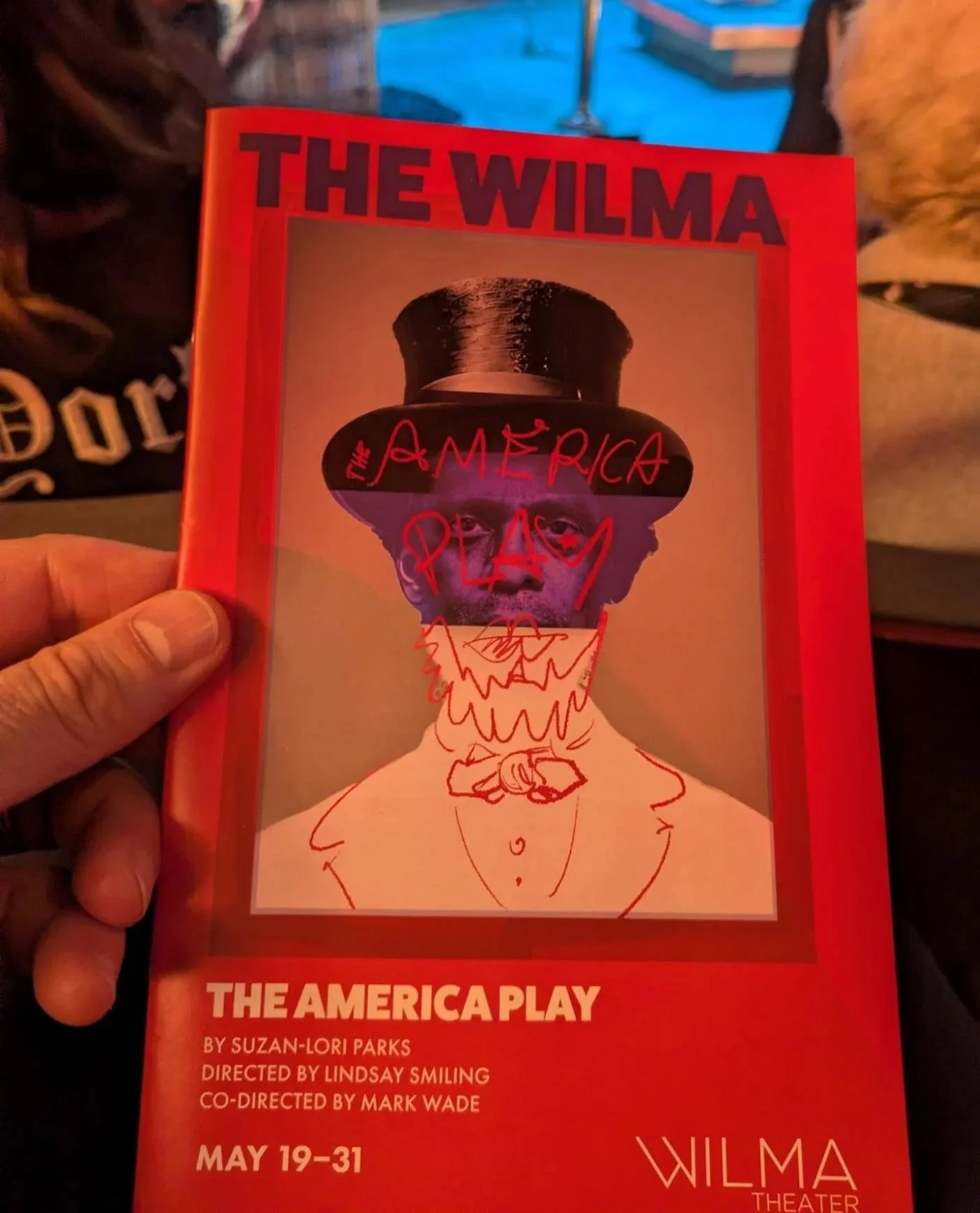
The America Play at the Wilma Theater
Opening night of Suzan-Lori Parks’s play, directed by and featuring Lindsay Smiling, who was announced that night as the Wilma’s sole Artistic Director. Let the creativity continue.
If this newsletter was useful, feel free to share it to someone who might enjoy it — or subscribe so you don’t miss the next issue.