
You Can’t KPI Your Way to Change
Why Your People Are the Missing Ingredient

If someone shared this with you, you can subscribe to receive future issues.
This is the first in a series of three issues on the human side of moving a mission-driven organization forward.
Sometimes I walk into an organization that has done everything right on paper. It has a smart strategic plan, solid analytics, and a leadership team that can tell you exactly what needs to change. But nothing is moving.
That’s what happened at one organization I worked with. The leadership and board created a progressive strategic plan. Everyone felt great about it, but there was a huge gap when it came to implementation. No one on the team knew whether they were succeeding or not.
Analytical assessment matters tremendously. It is the foundational, roll-up-your-sleeves work that all leaders must do. I spend much of my time in the weeds with leaders thinking through assessments, KPIs, strategic plans, and organizational drivers. But that’s just one part of getting their organization where they want it to be.
What happens when you’ve done all the analysis and nothing is moving? Chances are you’re not igniting your human capital.
The missing ingredient: human capital
We think so much about structuring data and hitting KPIs. But we often don’t apply the same rigor to human capital, the people in an organization. In mission-driven organizations, even more than in for-profit companies, the human dimension is everything — the work is the human experience.
Human capital doesn’t come from charisma. You can’t vibe or wish it into being. You have to start by building an environment where people can succeed. That means everyone on your team knows what they’re responsible for, has the agency to act on it, and has clear goalposts so they know when they’re winning.
Right players, right positions
Hockey season is underway, and as a Canadian, I can’t resist the metaphor. On the ice, technical proficiency isn’t enough. A team full of players who can shoot a puck will still lose if nobody knows their positions. You can’t have three centers or four defensemen playing at once.
When everyone thinks they’re responsible for the same thing, no one is.
Your job as a leader is to be the coach: set up the systems, plays, and environment before your team takes to the ice. Analyze the skill levels and players’ stats. Then make sure the right people are in the right positions.
How do you decide who is responsible for what, and give them the agency to act? There are several different approaches. I use responsibility charting — identifying which people and positions are responsible for each task and connecting those tasks to the organization’s goals and KPIs. I prefer the RACI method, but other tools work just as well.
Responsibility charting uncovers weak links, duplicated work, and capacity gaps. Sometimes it shows that the team itself needs to change — the skills don’t match the position. At one performing arts organization, charting revealed that the CEO and COO were doing the same work, so neither fully owned it.
When I went through this exercise with the organization that looked good on paper but was stuck, I charted for both senior management and the board. Everyone knew who was responsible for what and how they would work as a team to reach their goal. It brought the leadership team and the board together, and for the first time, people could see when they were winning.
What comes next: Drawing people in and the joy imperative
Once the right people are in the right positions, two more questions determine whether they’ll actually move together.
Attraction versus authority: Are you leading by directing people, or by drawing them in?
The joy imperative: Is your team running on fumes, or is there something propelling it forward?
I’ll discuss both of these concepts in depth in the November and December issues of Devantage Point.
In Practice: One Move to Consider This Month
Take the top goal in your strategic plan and write down who is responsible for it. Ask your leadership team to do the same. If you wrote two names, or none, start there.
Monthly Inspirations: Performances & Events Feeding My Thinking
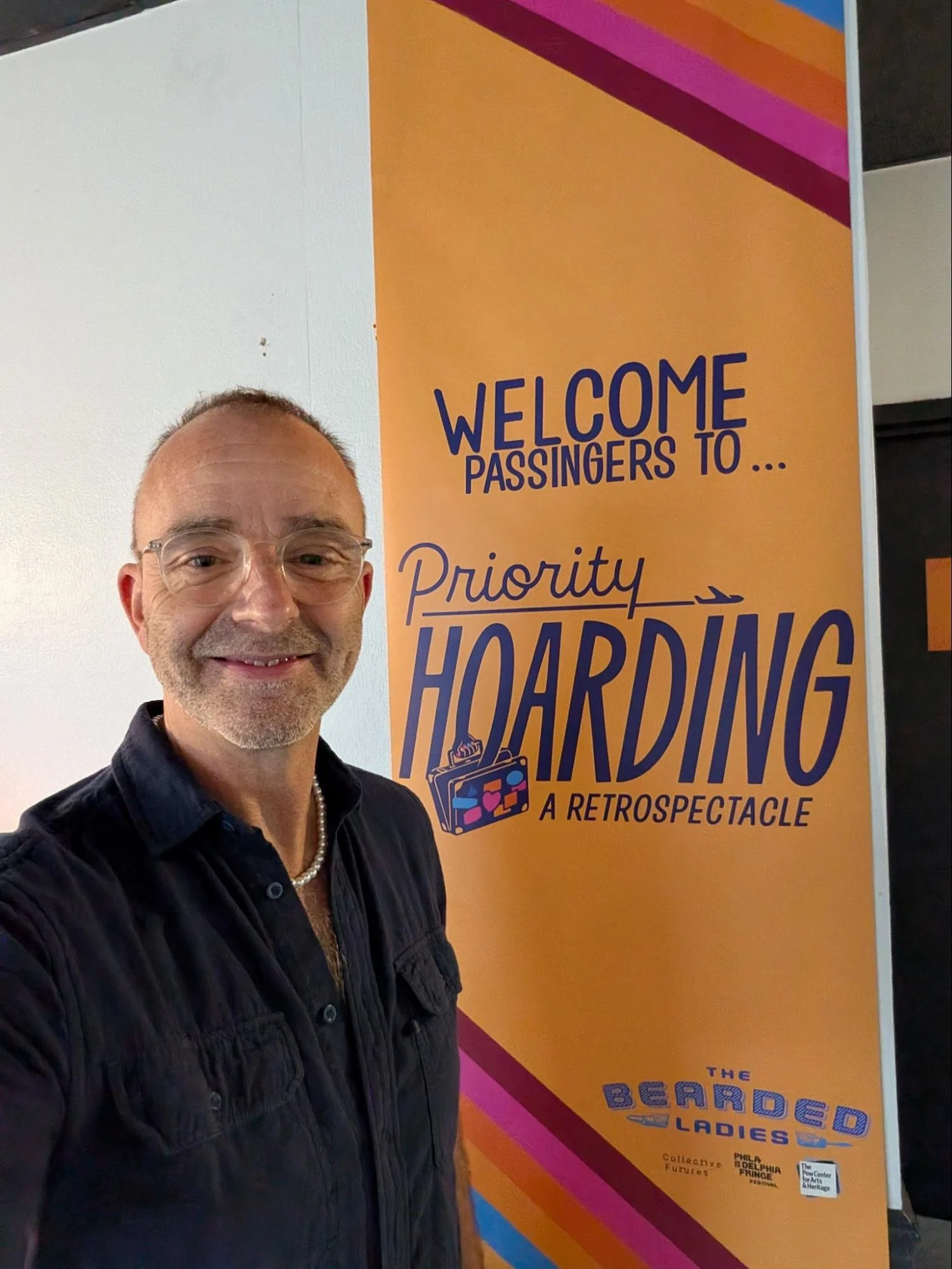
At the Bearded Ladies Cabaret Hairport for a flight of fancy at their amazing immersive installation filled with 16 years of queer joy and, of course, baggage. A completely inspired experience with brilliance and ingenuity around every corner (and there are lots of corners).
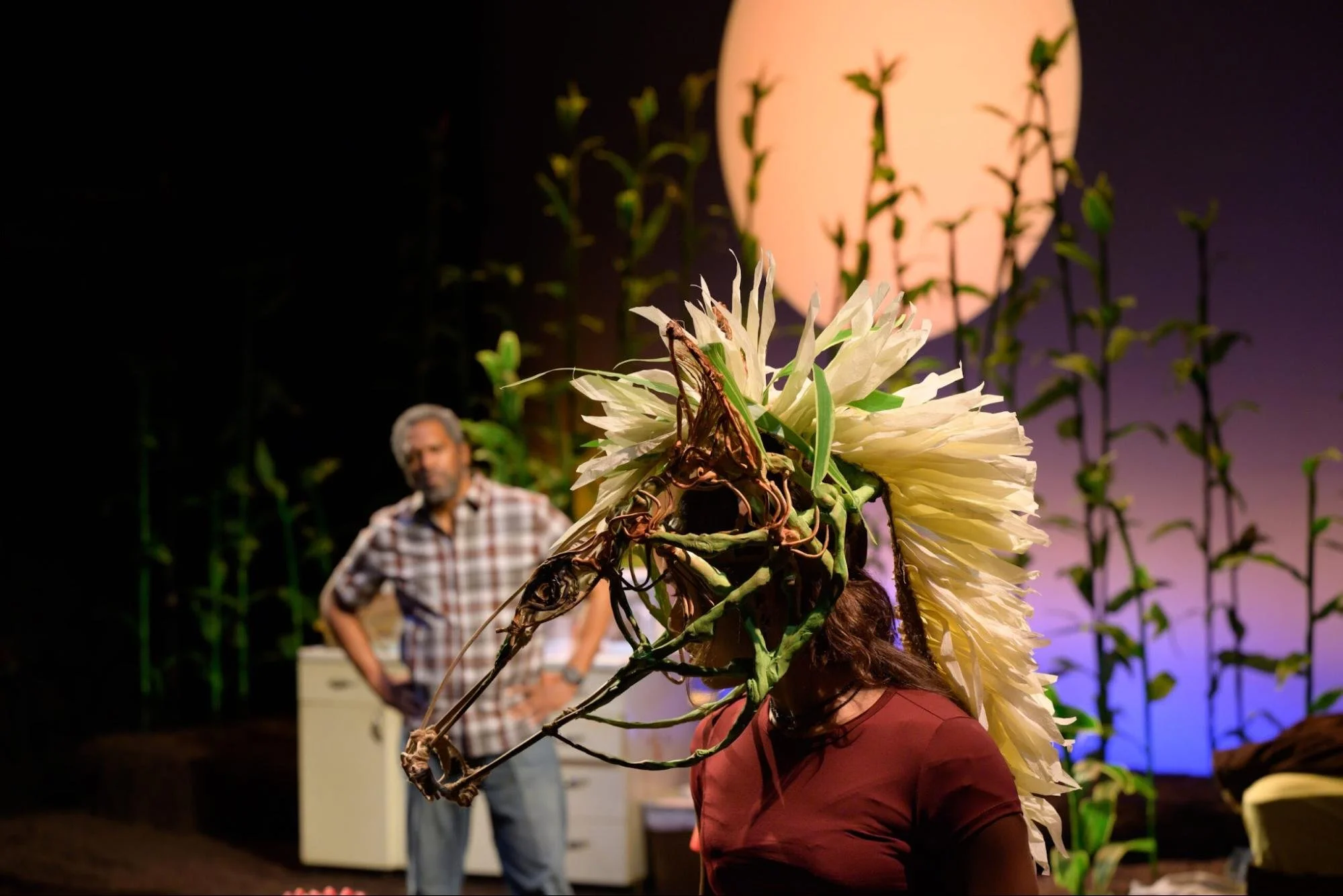
The Wilma Theater’s Horsegirl & Cowdaddy. The company demonstrated its artistic voice and it was exciting to watch. This production rallied the whole team around the new artistic leadership of Lindsay Smiling. Pictured here Samora de la Brisa as Horsegirl (foreground) and Lindsay Smiling as Cowdaddy (background). Sets by Jian Jung, Lighting by Kate McGee and Costumes by Rebecca Kanach with Puppet Designer Erik Ruin.
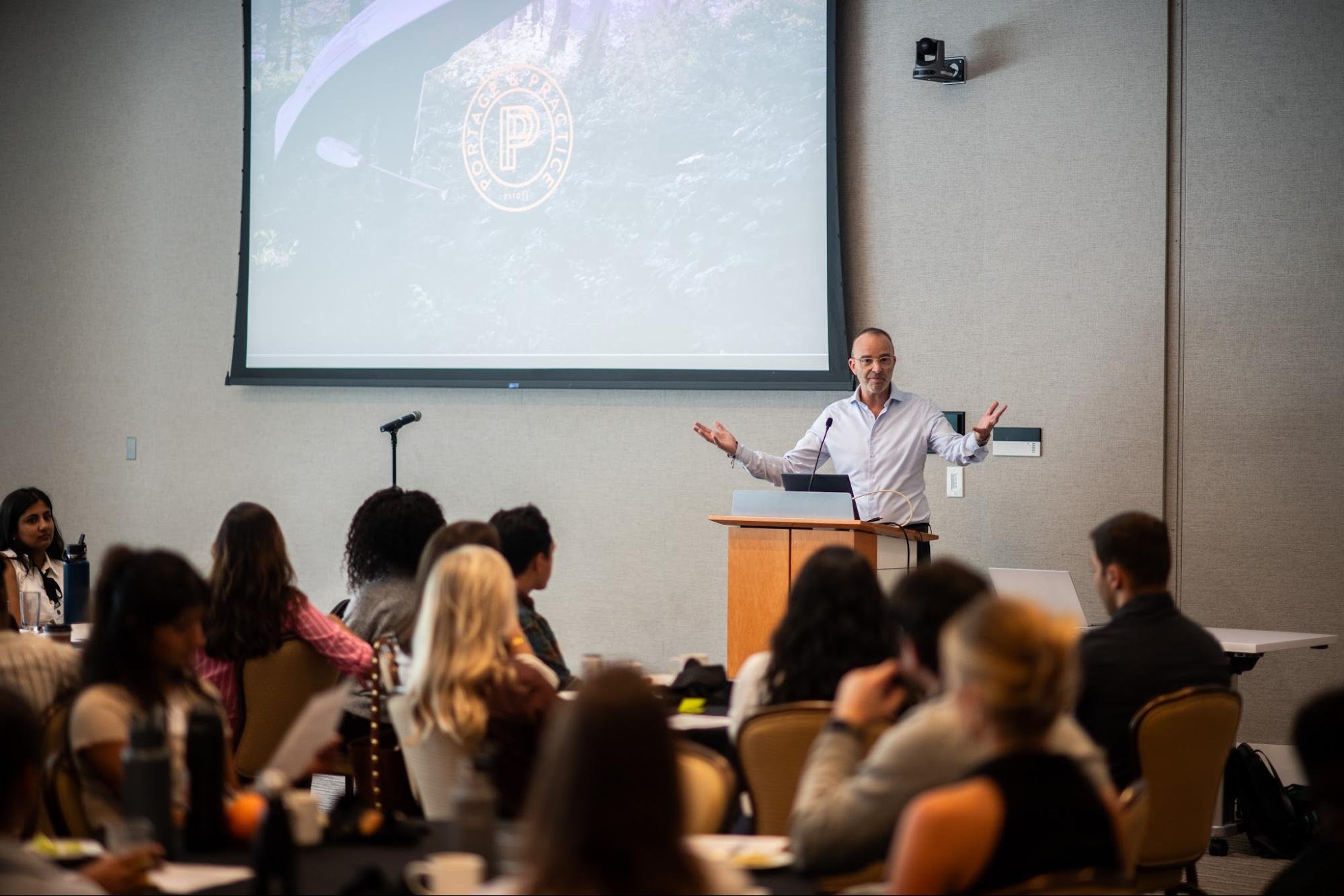
Spending an inspiring and productive afternoon with next-generation leaders at Wharton with the Golub Capital Board Fellows, talking about “Advancing the Mission” as board members for nonprofits.
If this newsletter was useful, feel free to share it to someone who might enjoy it — or subscribe so you don’t miss the next issue.