
The Art of The MacGyver
Improvisation as a Leadership Tool
If someone shared this with you, you can subscribe to receive future issues.
Every summer I live my brand by setting a playful out-of-office email and disappearing into Algonquin Park in Ontario, Canada, for a backcountry canoe trip. This year I brought my nephew Josh for his 40th birthday, because he wanted to relive the adventures we had when he was a teenager.
On the first day of the trip, we meticulously planned our itinerary to get out on Smoke Lake by 6 a.m. It’s important to take advantage of the calm water early, because the wind picks up later in the day. But when we arrived at the docks, we faced an impenetrable blanket of fog that limited our vision to just a few feet in front of us. We had no choice but to wait for conditions to improve.
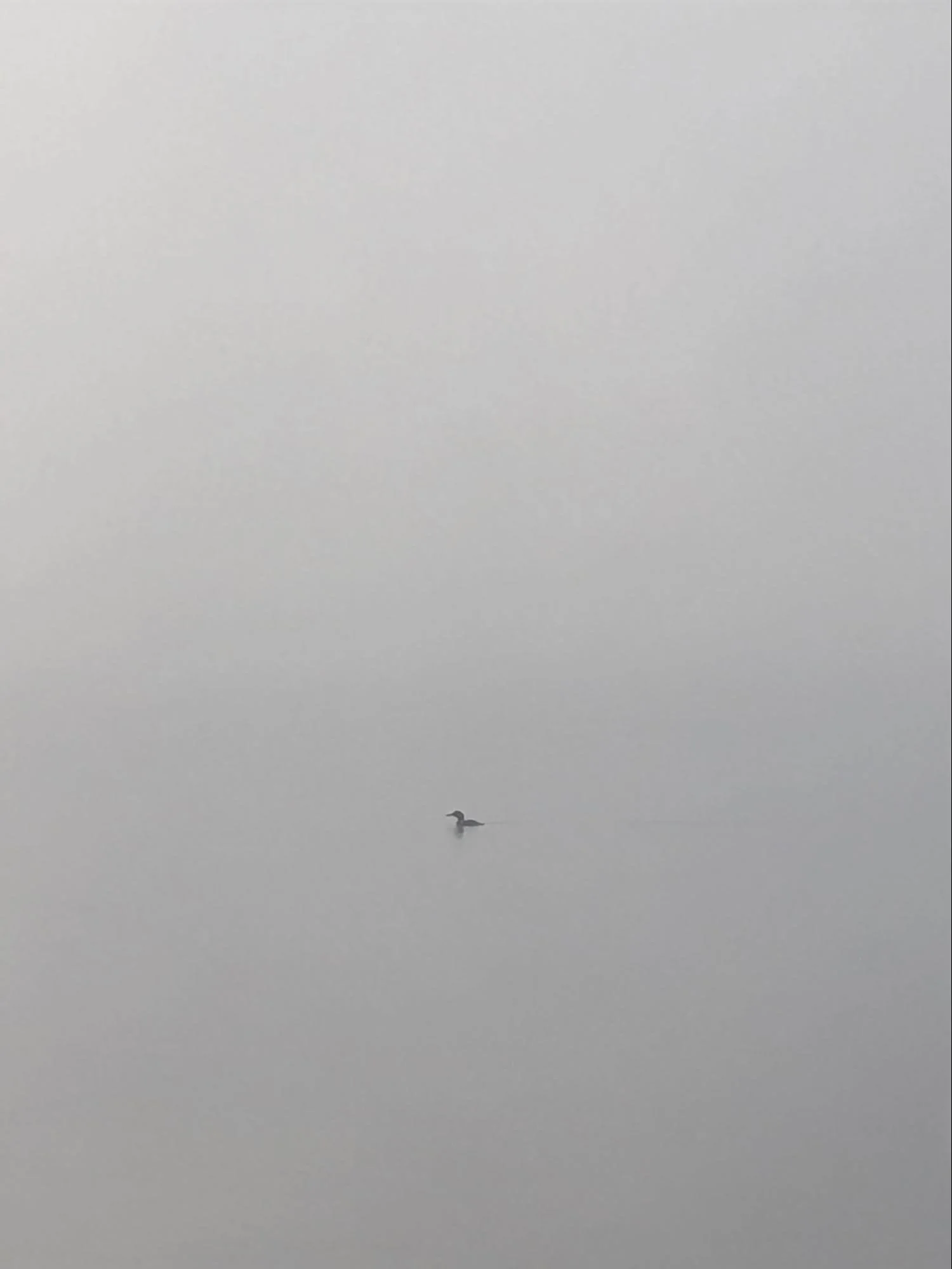
A solitary loon and fog greeted us on the lake at 6 a.m.
After a couple of hours, the fog lifted and we set off. As we paddled under the wide open sky, I felt a huge weight lift off my shoulders. The fog hadn’t been in the original plan, and neither was much of what came next.
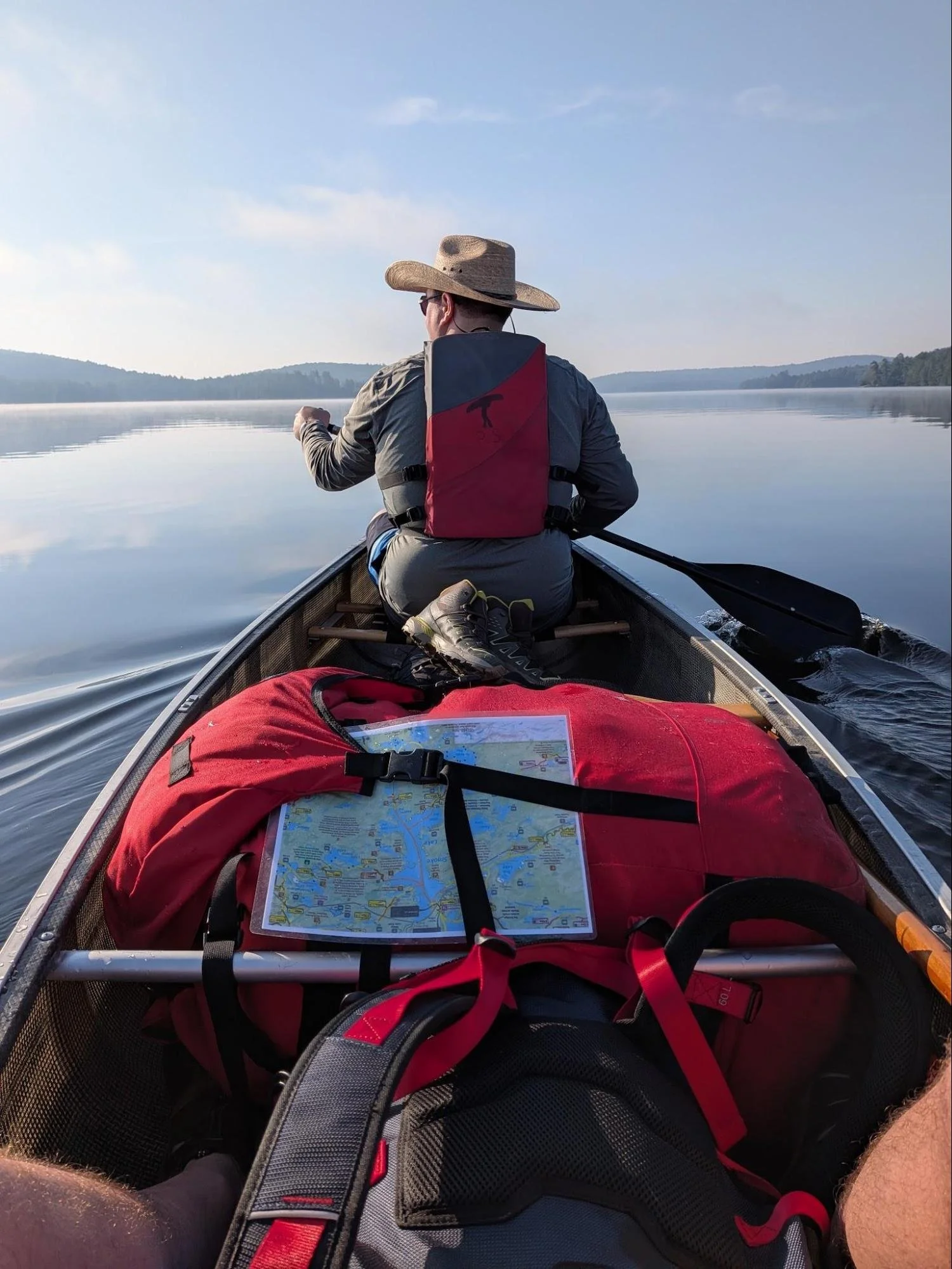
Two hours later, as the fog cleared, this was my view from the stern—and our journey officially began.
When the least experienced person has the best idea
Because I’ve done this canoe trip countless times, I’ve perfected my routine with my husband David and an assorted group of friends and family. We either get dropped in by float plane or launch from a dock to kick off a loop around the lakes. We keep an ambitious schedule — sleeping in a different camp every night. Years ago, we tried having rest days, but we hated it. Once we got into a rhythm we wanted to keep going.
Fast forward to this year. David couldn’t make it to Ontario, and Josh was rusty because he hadn’t camped in a while. He found the idea of lugging our gear from place to place daunting. Josh suggested we try something very different: a “base camp” trip where we slept in the same location every night. I was skeptical but agreed to try it.
We chose Big Porcupine Lake for our home base and set off on a new adventure each day — leaving most of our gear at the campsite. This plan turned out to be fantastic, and much less physically demanding. I can see myself doing it for many years to come. At night, we’d sip a Scotch Josh had chosen to pair perfectly with the campfire. As a long-time Scotch guy, I was impressed — I hadn’t tried this one before.
I had spent years perfecting a camping routine that worked. Because Josh hadn’t learned that routine, he invented a better one. The people in your organization who don’t know how things are “supposed to be done” can be your best source of inspiration — if you’re willing to try a new approach.
The MacGyver touch
The night before our first excursion from base camp, I tossed and turned. I felt apprehensive about balancing the canoe. Because Josh and I have a significant weight differential, it would be impossible to keep it level without the heavy gear we had on the way to base camp. I felt pressure to find a solution because I really wanted Josh to have a great time. This anxiety makes its way into my work as well — I still get nervous before facilitation sessions even though I present to groups all the time.
One way I cope is by channeling MacGyver, the iconic TV hero famous for solving impossible dilemmas with duct tape and a Swiss Army knife. Thankfully, my MacGyver skills kicked in before dawn. I woke with a thought: just throw the food barrel in the canoe and add the pots and stove for extra weight — compact, heavy, and all the gear we need for the day. We’d have to hang it away from the bears anyway, so we might as well use it as ballast. The barrel balanced the canoe perfectly and off we went. And we ended up with a full menu of lunch options on the route.
This was a reminder that improvising new ways of doing things is key to success on the water and off it. If we’d just sat in camp, I would have felt defeated by my worries, and we would have missed the adventure we both treasured. On canoe trips I always center my inner MacGyver — I tend to push through initial anxieties to adapt, improvise, and make the best of whatever situation we face.
Josh named my new bug net setup the “MacGyver 2000.” It took half a day to figure out — just ropes, trees, and me. So much fun.
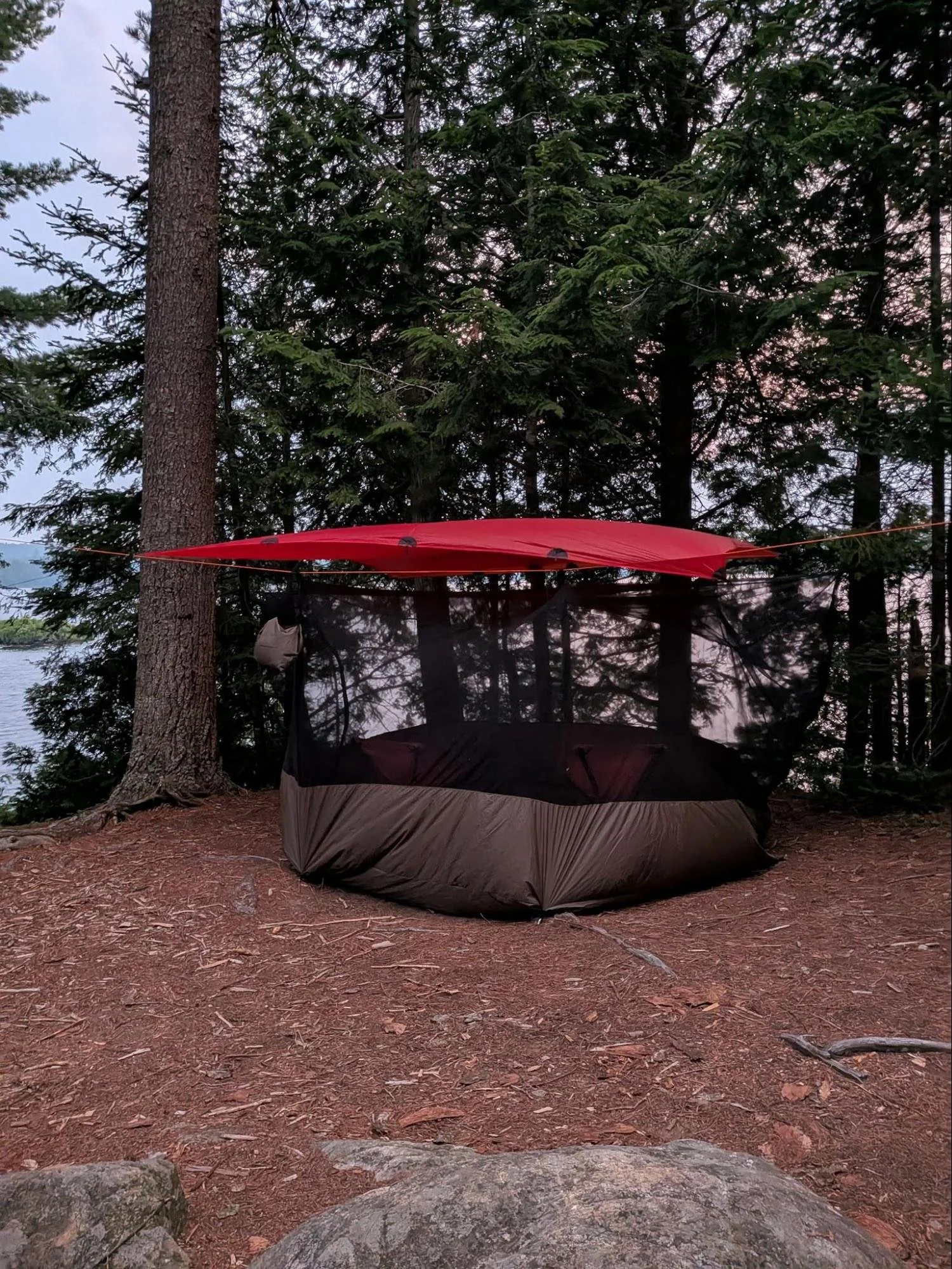
Enjoying bug-free, rain-sheltered wilderness living with our homemade “MacGyver 2000” setup.
The same MacGyver attitude serves me in my client work. Mission-driven leaders face impossible situations without enough resources. But when they give themselves and their teams permission to improvise, they discover they can do a lot more with less.
What makes improvisation feel safe
Everyone assumes I do these trips for solitude, to get away. But I do it for the camaraderie. It’s easier to create deeper human connection and build trust when the usual distractions are stripped away. You try things you wouldn’t normally because no one is judging. On this trip, that meant shaking off wrong turns rather than dwelling on them.
This year we had a three-hour detour because I was certain there was a campsite around the corner, and it was right beside us the whole time. But Josh just laughed it off: "Well, I saw part of the park I've never seen before."
This level of trust is what makes improvisation possible and enjoyable rather than terrifying. Josh didn’t need a perfect route. He just needed a partner he trusted. Build that into your organization, and see what your team discovers.
In Practice: One Move to Consider This Month
Choose one problem your organization has been overthinking. What’s the cheapest, fastest, most imperfect version of a solution you could try in the next two weeks? That’s your MacGyver move.
Monthly Inspirations: Performances & Events Feeding My Thinking
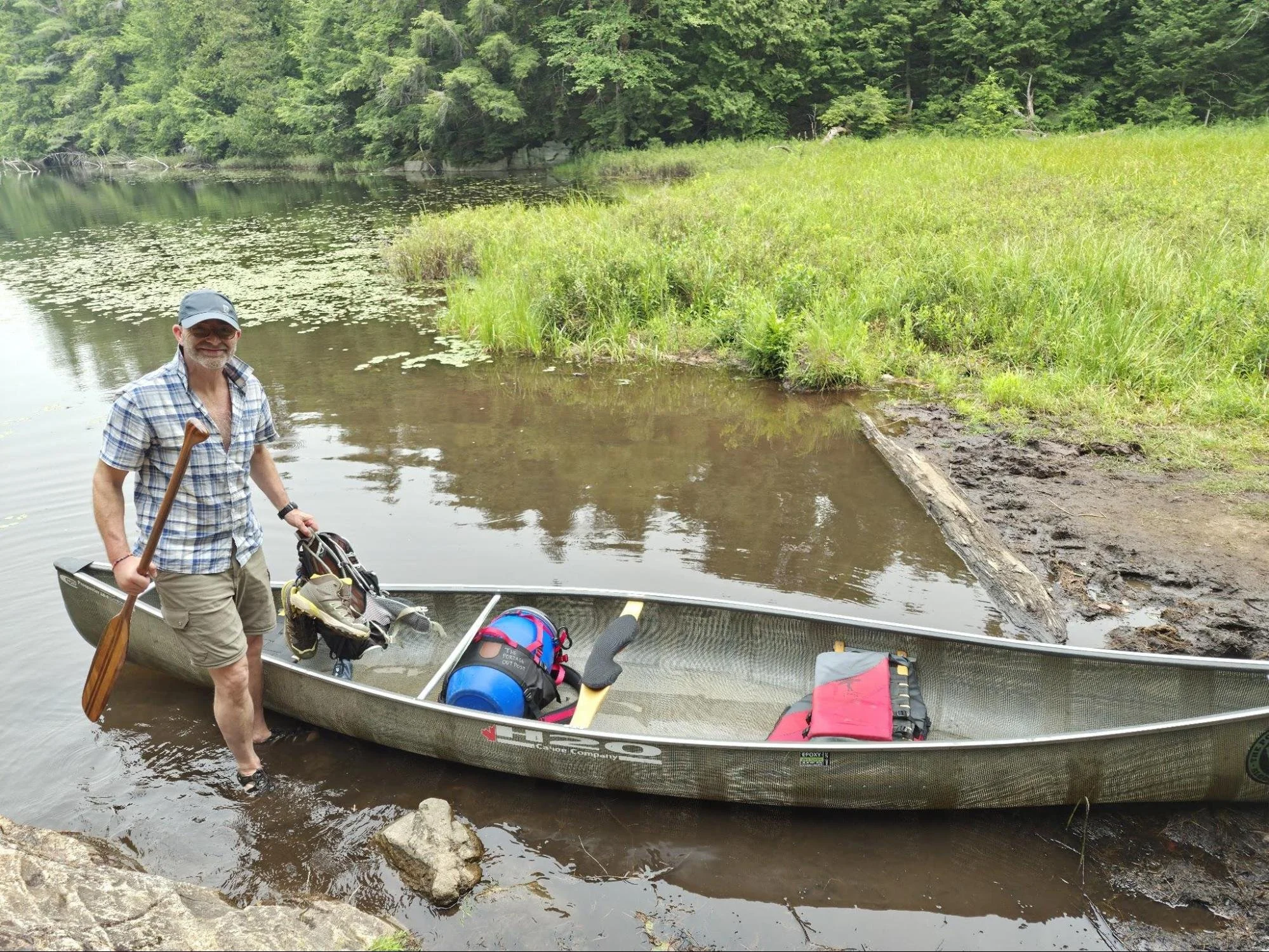
Starting out on a day trip portage, using a food barrel packed with meals and kitchen equipment as ballast.
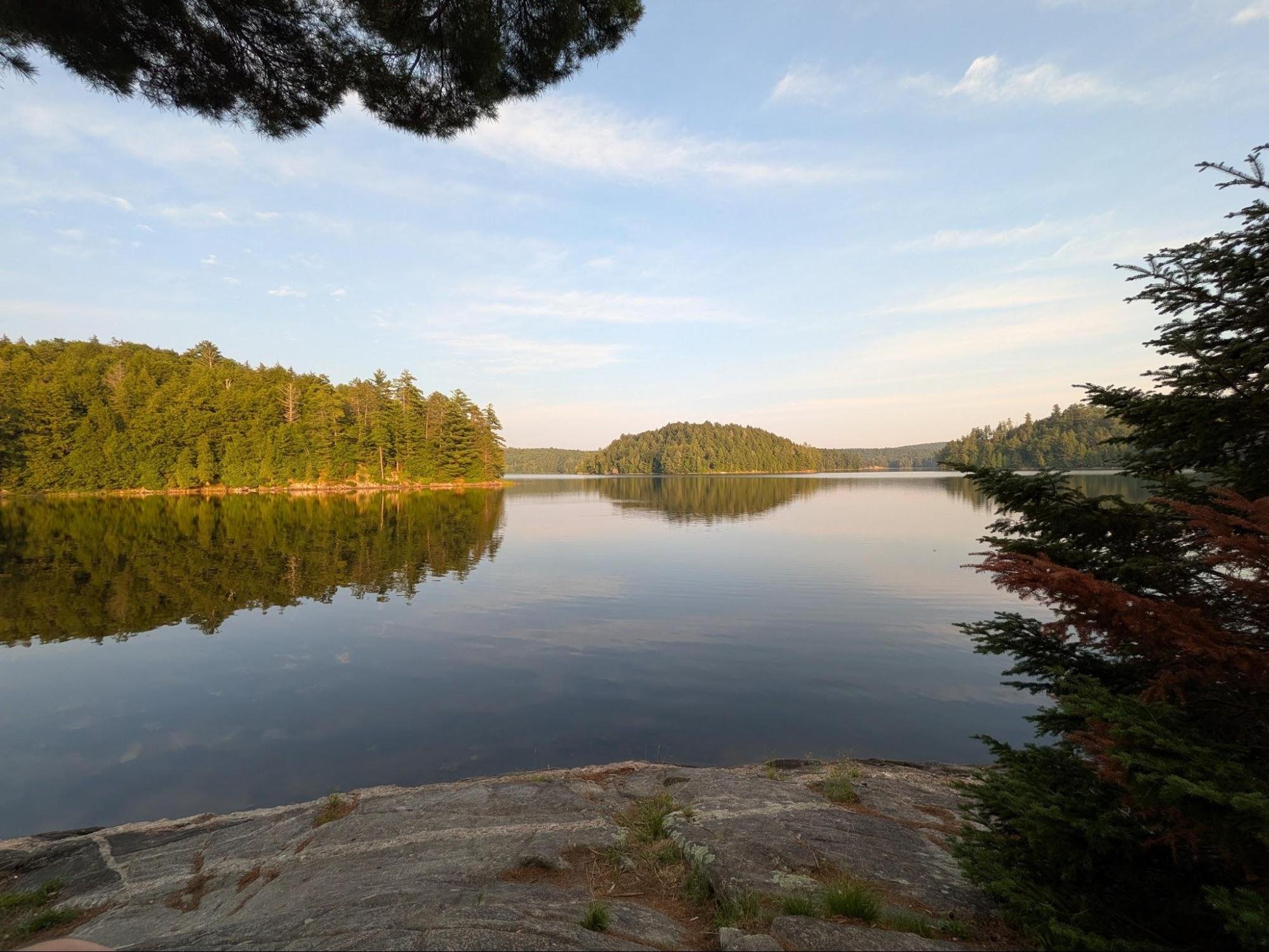
Base camp
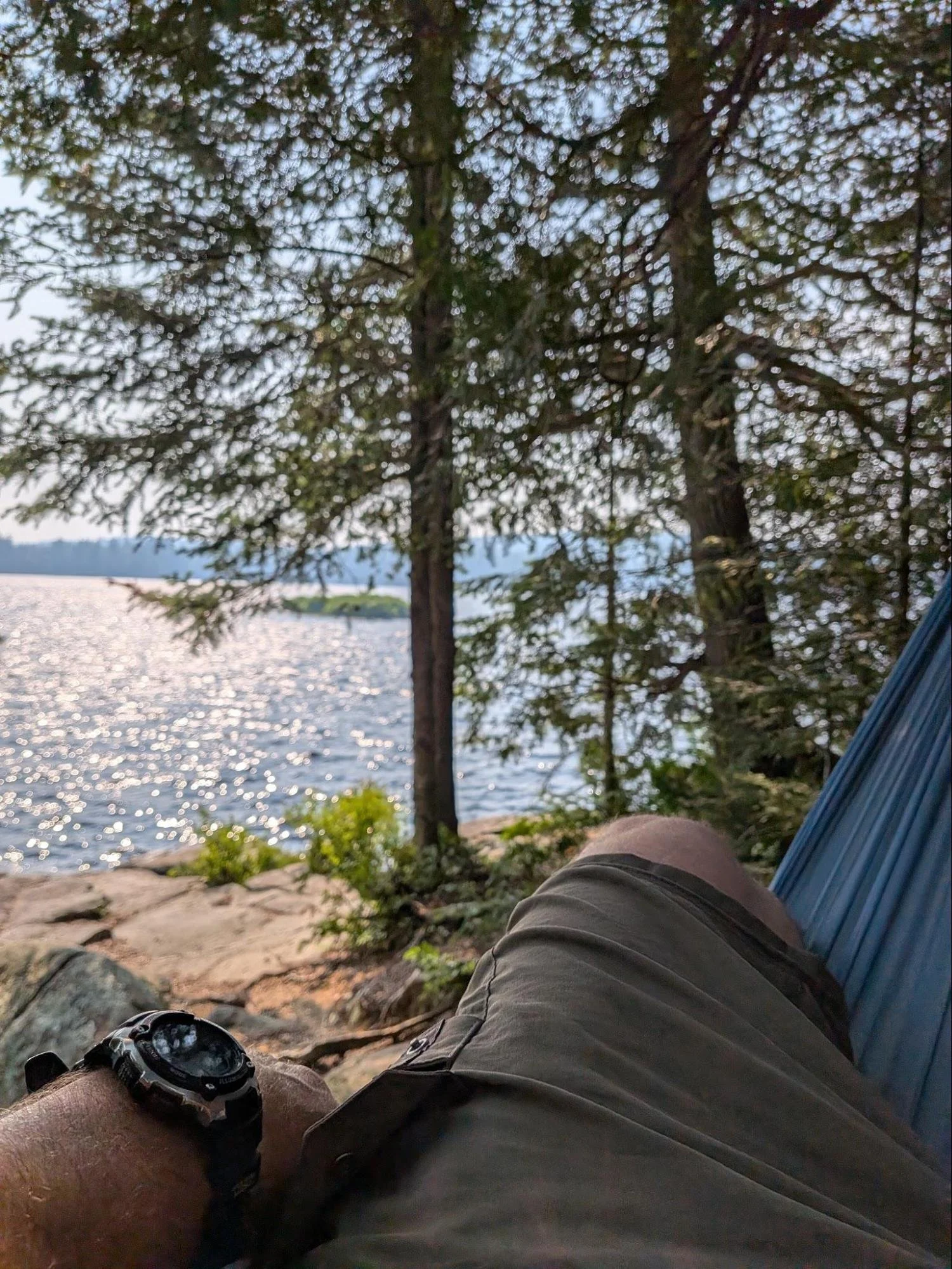
An improvised midday nap spot in the hammock
If this newsletter was useful, feel free to share it to someone who might enjoy it — or subscribe so you don’t miss the next issue.