
Creative Contagion
When Dito van Reigersberg died in June, I didn’t know how to write about it. He brought such a light into every room as a performer and as a dear friend. At 53 years old he had so much work still ahead of him as Martha Graham Cracker and as a creative force behind Pig Iron Theatre Company.
Dito was an extraordinary artist, but he was also an extraordinary leader. In the end, that’s what I decided to write about. What he built with Quinn Bauriedel and Dan Rothenberg at Pig Iron Theatre Company has so much to offer every mission-driven leader.
The August issue of Devantage Point is my attempt to honor that. It’s about creative contagion, a quality that Dito had in abundance. It makes people want to be in the room, give their best, and go out and build something of their own.
If someone shared this with you, you can subscribe to receive future issues.

What Dito van Reigersberg Taught Us About Leading
When someone passes, we want to take a lesson from their death to carry forward in our own lives. In the case of Dito van Reigersberg, that’s both easy and impossible. It’s easy, because he left so much behind. But it’s impossible, because no single lesson or tribute could capture all that he gifted us in his far too brief life.
Since Dito died, fans, colleagues, and critics have rightly memorialized his stage persona, Martha Graham Cracker, and his pioneering work as cofounder of Pig Iron Theatre Company. He was also a dear friend, someone whose light shone brightly every time he showed up for us.
Here I’d like to shine a light on a lesser-known side of Dito’s legacy: his impact as a leader and institution builder. Far too often, creatives must ask for permission to do things. Over more than three decades, Dito helped create a generative environment where asking for permission was beside the point — artists simply created.
Pig Iron cofounder Quinn Bauriedel put it this way: “Dito felt like Martha Graham Cracker gave him permission to do things that he couldn’t do in any other setting. Part of what made it so otherworldly is you saw somebody who was just uncensored and spontaneous.”
The word I keep coming back to is contagion. Not clinical, but creative. Contagion makes people want to be in the room with you, give their best, and then go out and build something of their own. Dito certainly had it, and Pig Iron nurtured it. Thirty years later it’s spreading through the artists the company has trained and sent out into the world.
Ahead of Pig Iron’s memorial performance for Dito on September 27, I talked with Quinn about how we can continueDito’s work by intentionally creating environments for contagion so more visionaries like him can thrive.
Cheap rent was their first grant
Slack, or breathing space, is an essential element of creative infrastructure, but rising costs price artists out of many urban areas.
In the mid-’90s, when Dito, Quinn, and Dan Rothenberg finished at Swarthmore College, they and a handful of fellow recent grads felt called to test in the “real world” the ideas that had been so special in college. For the first few years, their lives converged in the summers — making shows and carrying them to the Edinburgh Fringe Festival in Scotland. Then came the decision every young ensemble faces: where, and whether, to commit full-time. They considered several cities, but the stars aligned in Philly after their first performance at the brand-new Fringe Festival in 1997. “We felt such a welcome embrace, so we decided to commit to living here for a while,” Quinn says.
The low cost of living gave them the time and space to keep nurturing those seeds. “For $1,000 total, five of us could live in a six-bedroom house with two kitchens in West Philly,” Quinn says. “We worked to pay our rent for just three to four hours a day and could rehearse for six to eight hours.”
Finding the real why
Because I was close to Dito and a fan of Pig Iron, I facilitated a strategic dialogue around the group’s core purpose. Back then, their mission statement was indistinguishable from any other regional theater — competent but completely forgettable. Then someone said the truth out loud:
“I'm here because I want to reinvent American theater.”
Dito, Quinn, and Dan coalesced around this bold mission. Through the power of contagion, they would go on to achieve that dream and more. The OBIE-winning company advanced modern devised theater, which centers on improvisation rather than set scripts, and took their experimental productions around the world. They then took it a step further, scaling their workshops into a school offering MFA and certificate programs that has trained more than 180 alumni.
The impossible idea is the right one
The group’s goal at the beginning was not to form a company. It was to work together for a summer, make a play, and take it to Edinburgh Fringe. At the time, the likelihood of a band of recent college grads crossing the Atlantic to one of the most competitive theater festivals in the world seemed far-fetched.
But they went, learning the rules by breaking them. They debuted a two-hour adaptation of Homer's Odyssey — with an intermission — at a festival where the smart play was an hour, tops. After an amazing review, their audience went from six people to eighty overnight.
“There's just something about a big hairy audacious goal,” Quinn says. “When you have something that sounds impossible and daring and important, people tend to rally around and say, hey, I’d love to be a part of that.” He gives his grad students the same advice today.
Admin as means, not end
In the beginning, the trio took a deliberate and steady approach to grow Pig Iron, relying heavily on grants. “We were very fortunate never to be in a situation where we lived and died by ticket sales,” Quinn says. A year in, they secured their nonprofit status.
The three founders took on a lot of the administrative work in the early years to avoid becoming beholden to the system they created. "The benefit was that we got to make the work we wanted to make," Quinn says. The group stayed focused on the end goal of creating art, which fueled the contagion — attracting performers and even administrators who were all deeply connected to the art itself.
To encourage collaboration and prevent silos between art and admin, Quinn advises leaders to focus on communication across the organization. "Make sure the administrators know that they’re a huge part of making all of this happen, so they can have a lot of pride in it too."
Dito’s enduring legacy
Quinn and Dito were college roommates, best friends, and artistic collaborators. “Losing him is so gutting on so many levels,” Quinn says. “Dito was so fun — the most playful person.” And that playfulness had staying power. One piece Dito helmed, I Promised Myself to Live Faster, took four and a half years and 17 versions to reach its final form. “He had this incredibly optimistic buoyancy,” Quinn says. “He loved all of the versions.”
But what made Dito truly rare wasn't just what he brought — it was what he drew out of others. “A little secret of Pig Iron that keeps things alive is trying not to repeat yourself,” Quinn says. “In the rehearsal room I’d say to Dito, ‘oh my gosh, I've known you for 36 years, I’ve never seen you do that.’”
Dan deserves credit for pushing him there. “Part of the work of an ensemble is that we don’t want to just see somebody do the same thing that they did five years ago. We want to see them stretch and be a different kind of actor,” Quinn says.
This is contagion at its best. It’s when your practice makes everyone around you more alive, more willing to reach, and more capable of surprise. Dito had that in abundance, and he shared it freely.
It lives on in the DNA of Pig Iron and in all of the artists whom Dito touched, and in every leader who creates a room where people stop asking for permission and simply create.
Quinn said it best at the end of our conversation: “Keep the art at the center. If you keep your mind on the more important end goal, you’ll gather people around you who can help see that as well.”
Dito did that for 30 years. The rest of us have work to do.
In Practice: One Move to Consider this Month
Read your mission statement aloud with your team. If it could belong to any organization in your field, ask what you actually want to change — and write that down. Then ask: what would your team attempt if it stopped asking permission?
Monthly Inspirations: Performances & Events Feeding My Thinking
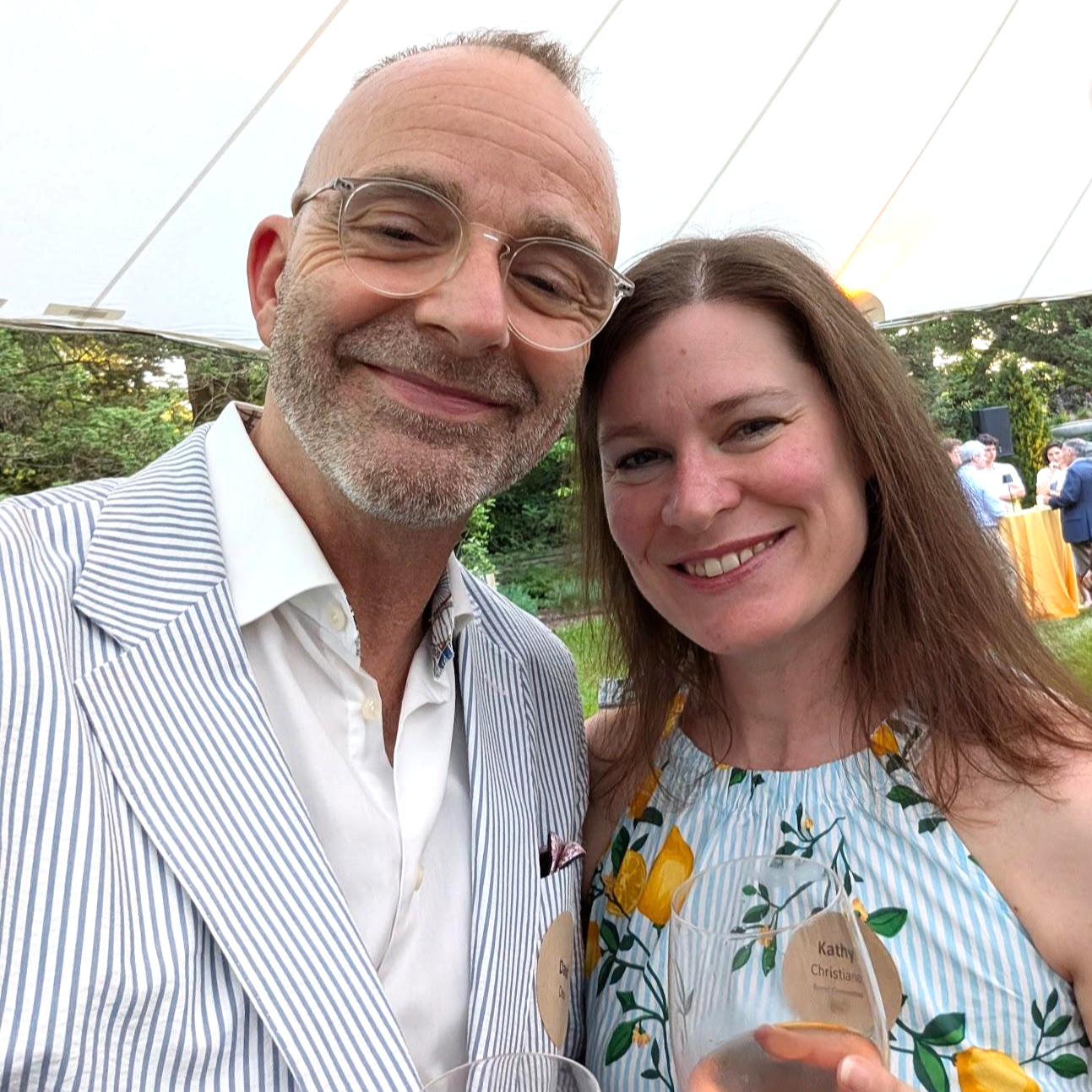
With Kathy Christiano of the William Penn Foundation at Natural Land’s Stardust! An evening celebrating inspiring conservation and exciting new initiatives to come at Stoneleigh: A Natural Garden.
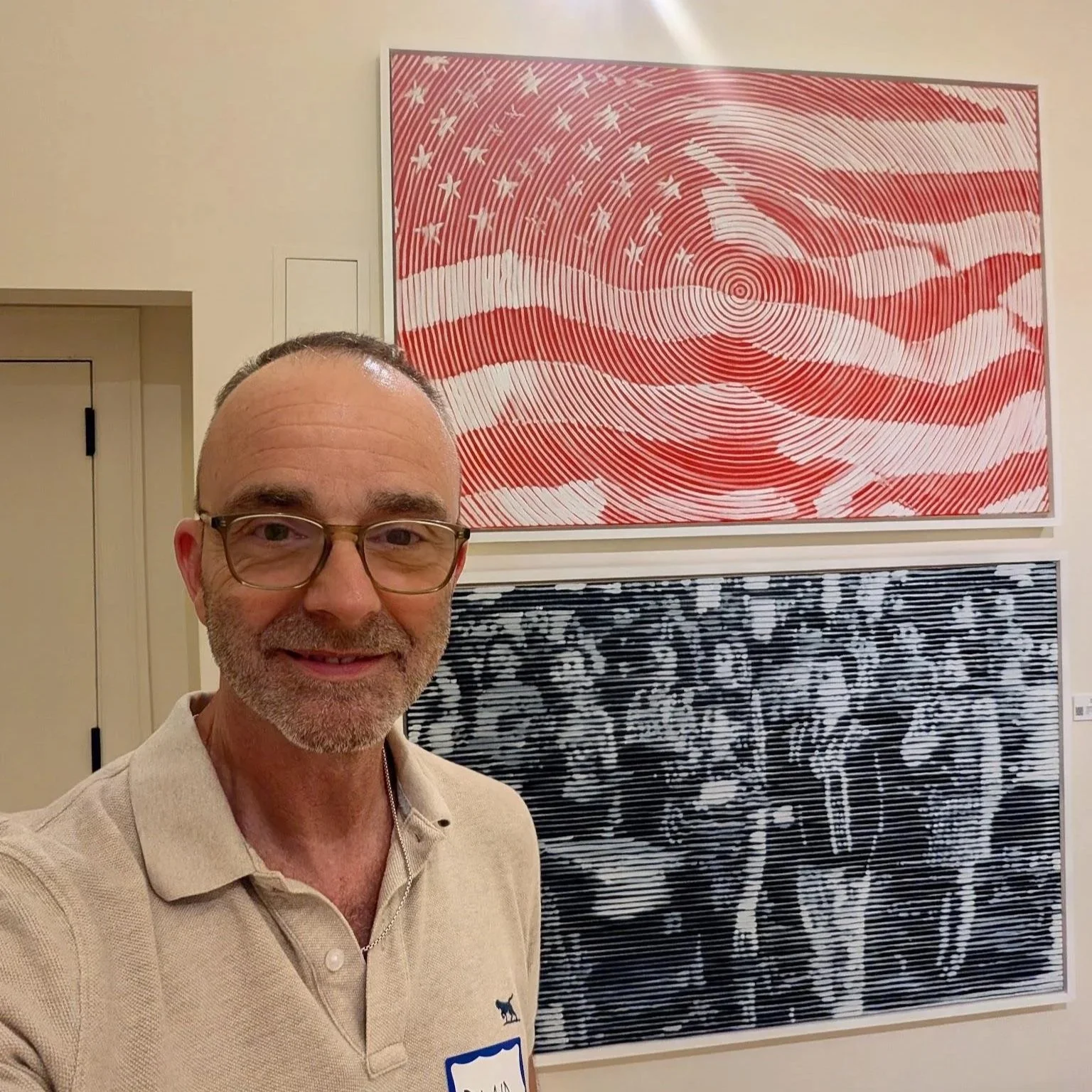
Christopher Vazquez’s Allegiance (2024) as part of Democracy: United We Stand at Philadelphia Museum of Jewish Art in Congregation Rodeph Shalom.
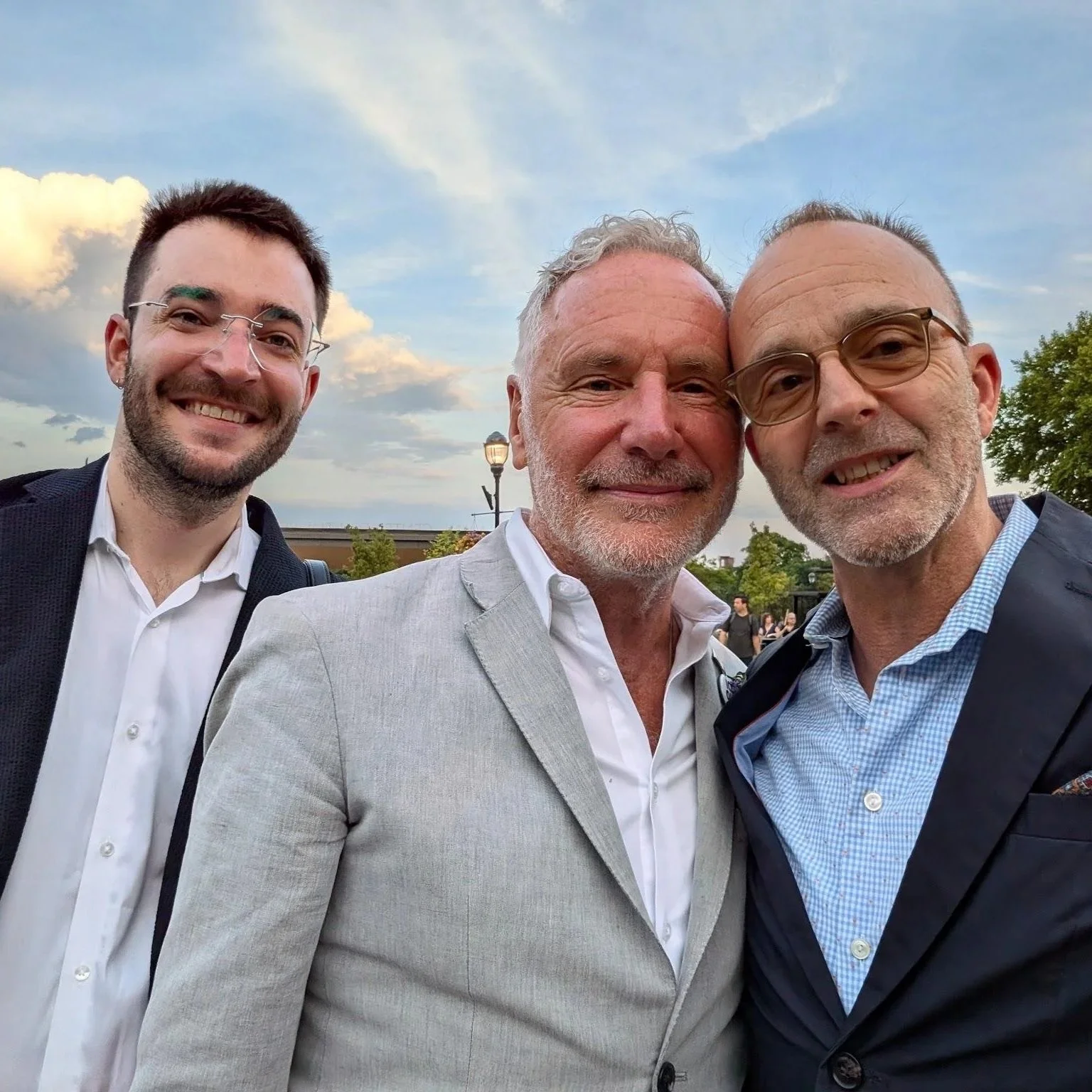
At Boyer and Campbell’s A Hundred Years On at the Highmark Mann (left to right) Clarke Sondermann and librettist Mark Campbell outside the newly renovated grounds. Both the performance and the grounds were wonderful.
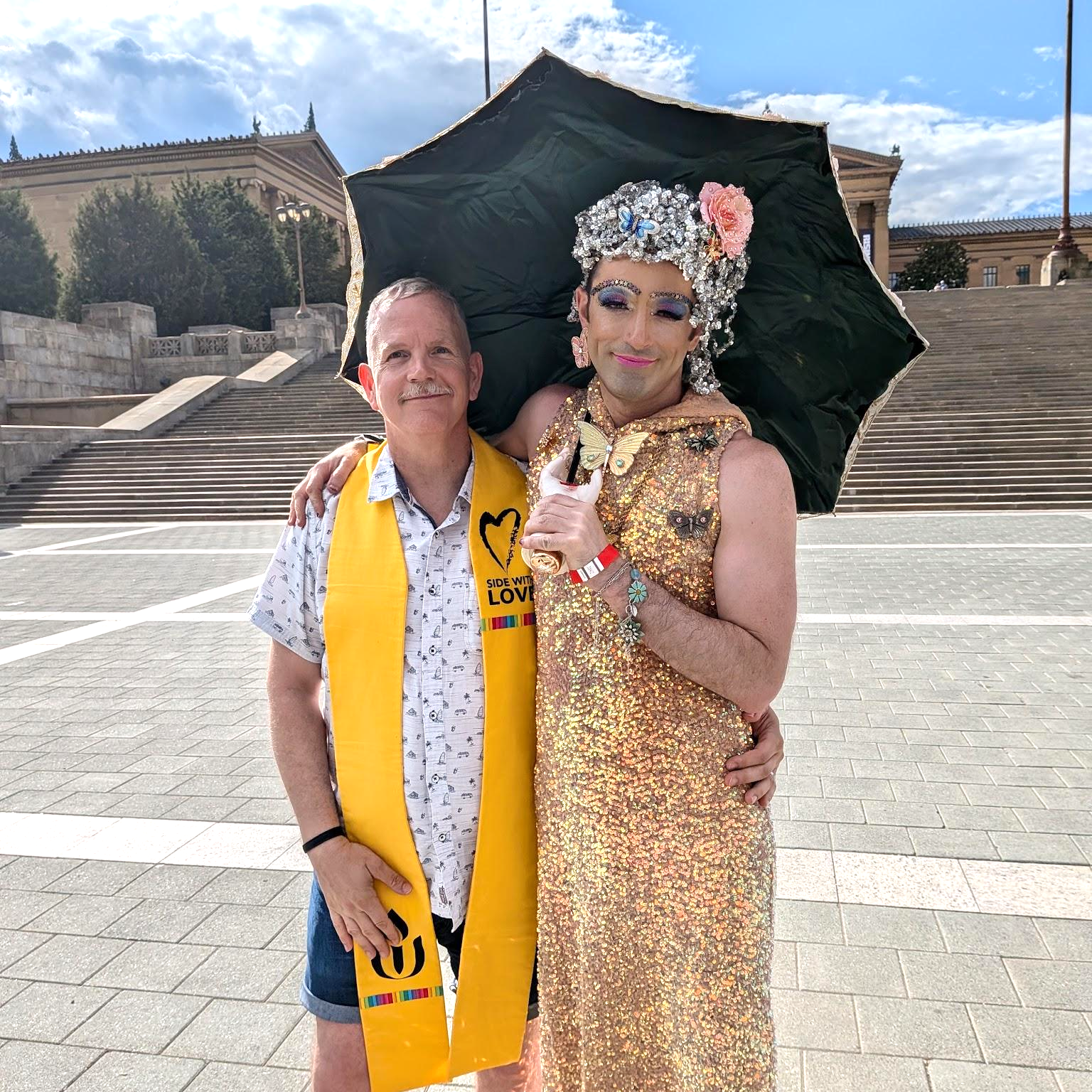
The dynamic duo of Reverend David A. Dubbeldam (my husband) and Rose Jarboe backstage at the Pride Stage to share memories and a prayer of remembrance for Dito.
If this newsletter was useful, feel free to share it to someone who might enjoy it — or subscribe so you don’t miss the next issue.